Fuel economy is mostly decided by physics you cannot change and habits you can. None of these are dramatic on their own. Together they are worth a meaningful percentage, and most of them make the car last longer too.
1. Keep the tires at the right pressure
Underinflated tires deform more as they roll, and that deformation is energy you are paying for. It also wears the shoulders prematurely and makes the car handle worse.
The correct pressure is on the sticker in the driver's door jamb, not on the tire sidewall, which shows the maximum the tire can take rather than what your car wants. Check monthly, cold. Heat swings in Florida move pressures more than people expect.
2. Take the weight out
Every hundred pounds costs you roughly one percent. Roof racks and boxes cost considerably more because the penalty is aerodynamic rather than just mass, and it grows with speed. If the rack is not being used this month, take it off.
3. Drive smoothly
Hard acceleration followed by hard braking converts fuel into brake heat. Looking further ahead and coasting toward stops is the single largest behavioural lever available, worth far more than any of the others here.
On the highway, steady speed matters more than the number. Every increase above roughly 50 mph costs progressively more, because drag rises with the square of speed.
4. Stop idling to warm it up
Modern engines warm up faster under gentle load than sitting still, and an idling engine returns zero miles per gallon by definition. Thirty seconds is plenty before driving away gently.
Extended idling is also hard on oil, particularly in traffic, which is part of why we recommend shorter oil change intervals here than the manufacturer does.
5. Actually do the maintenance
This is the boring one and it is where the real numbers are:
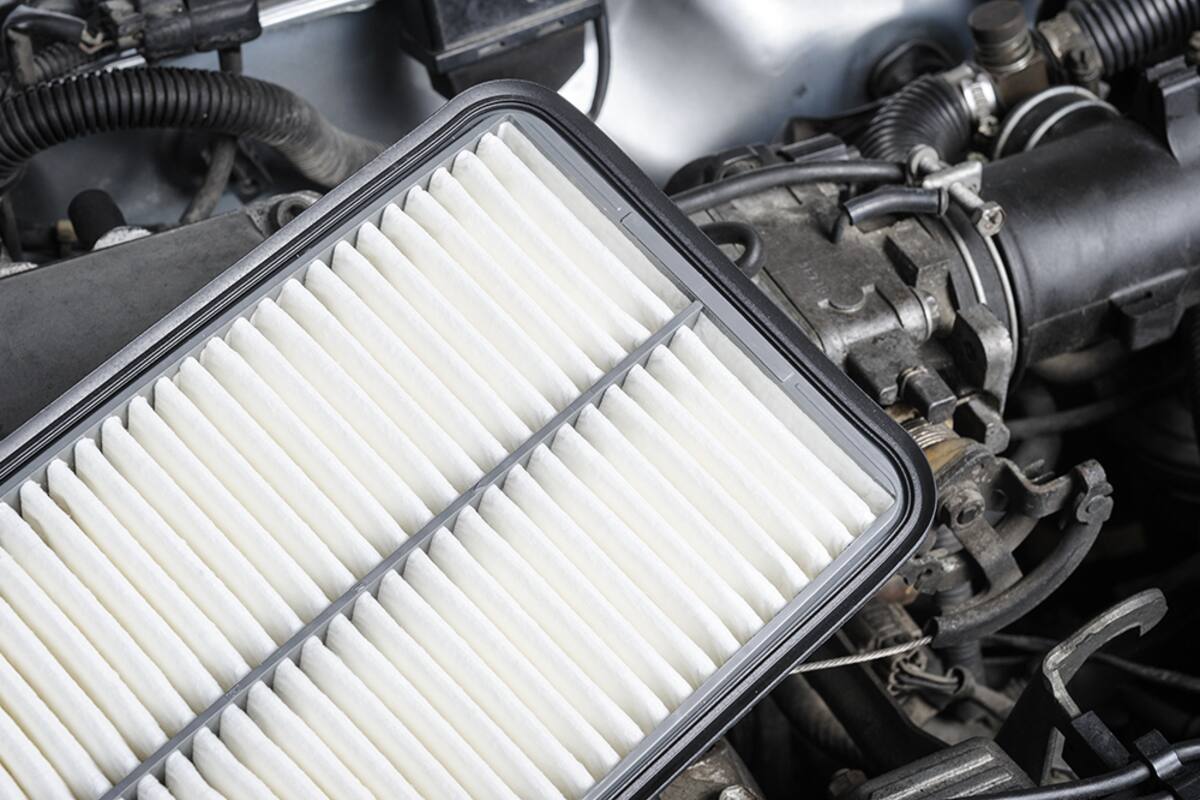
- A clogged air filter restricts breathing and costs power and economy
- Worn spark plugs cause incomplete combustion — fuel you paid for and did not burn
- Carbon on the intake valves of a direct-injection engine restricts airflow with no warning light
- A failing oxygen sensor makes the engine run richer than it needs to, and is the most common check engine light there is
- Dragging brakes or bad alignment mean you are fighting the car constantly
A sudden drop in economy is a symptom worth diagnosing rather than tolerating. See tune-up services, or call (561) 392-1910.