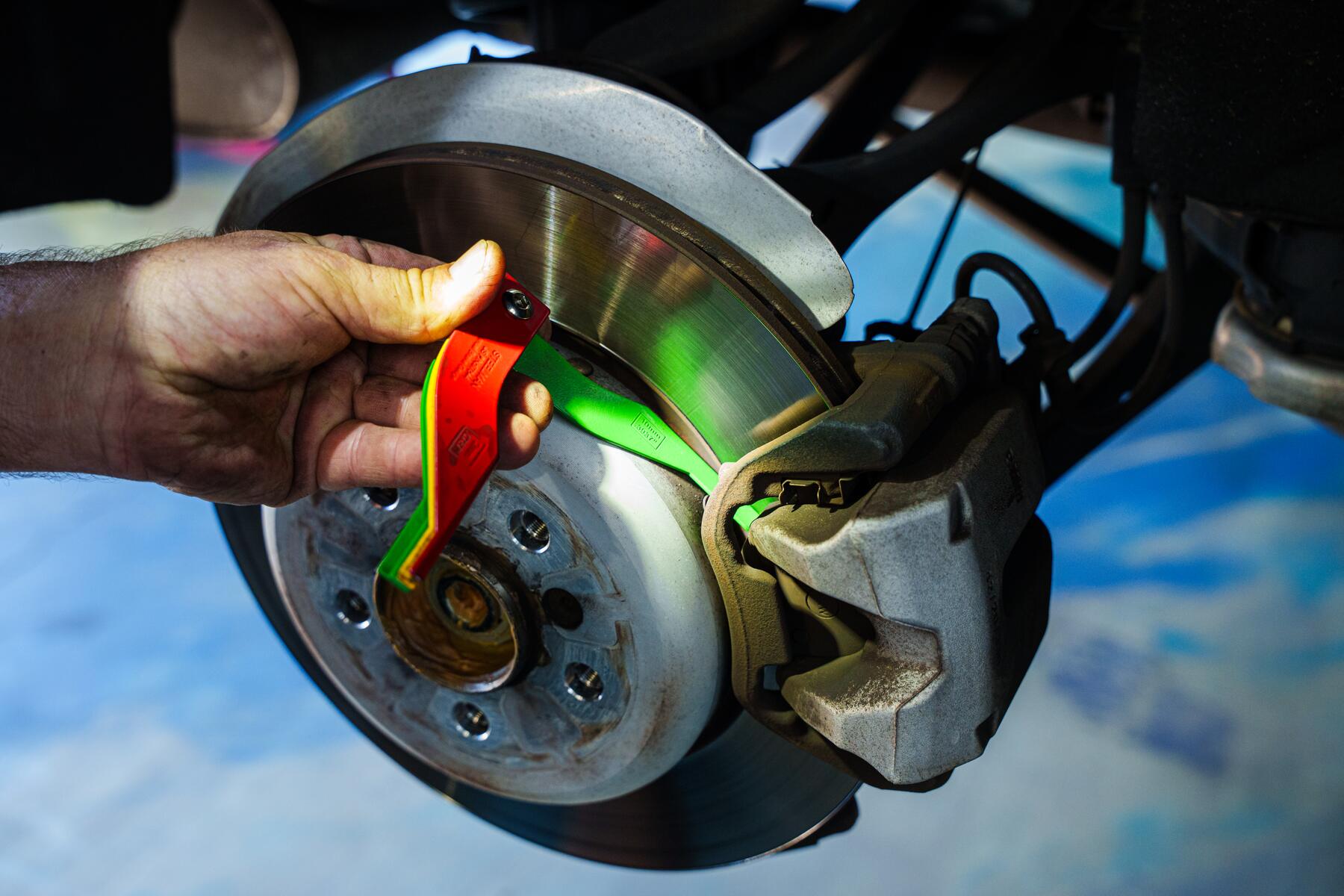
Brake Repair in Boca Raton, FL
Pads and rotors matched to your car rather than to a catalog, and a warranty most shops do not put anywhere near brakes.
Brakes are part of how a European car drives
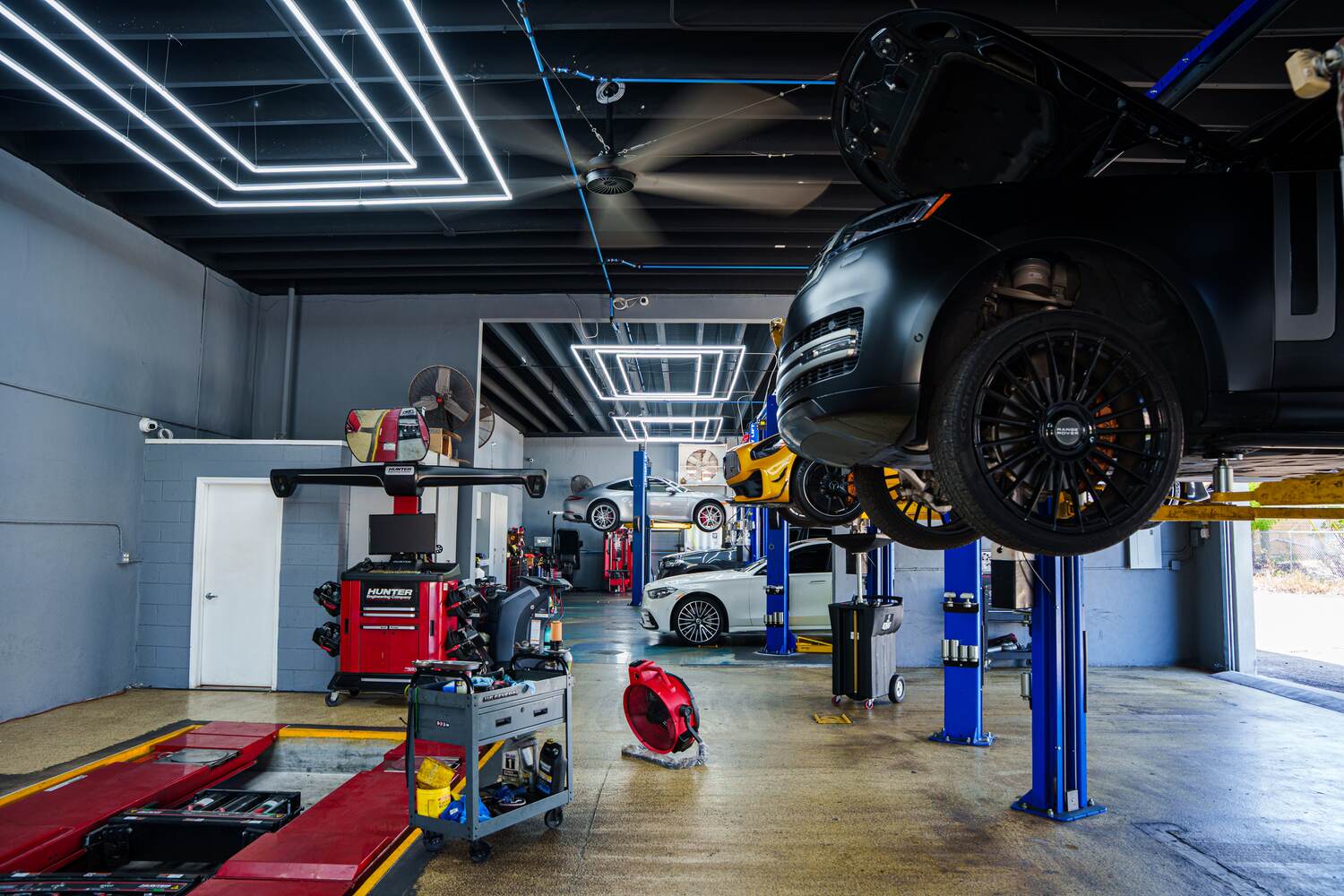
On a BMW or a Porsche the brakes were engineered alongside the suspension and the tires, which is why a car with the wrong pads on it feels wrong long before it stops badly.
We fit factory-grade pads and rotors matched to your model, not one-size-fits-all parts from whatever was cheapest that week. The inspection is free, the estimate is written, and qualifying brake work carries our six-year, unlimited-mile warranty. Most shops cover brakes for a year, if that.
What a brake job here includes
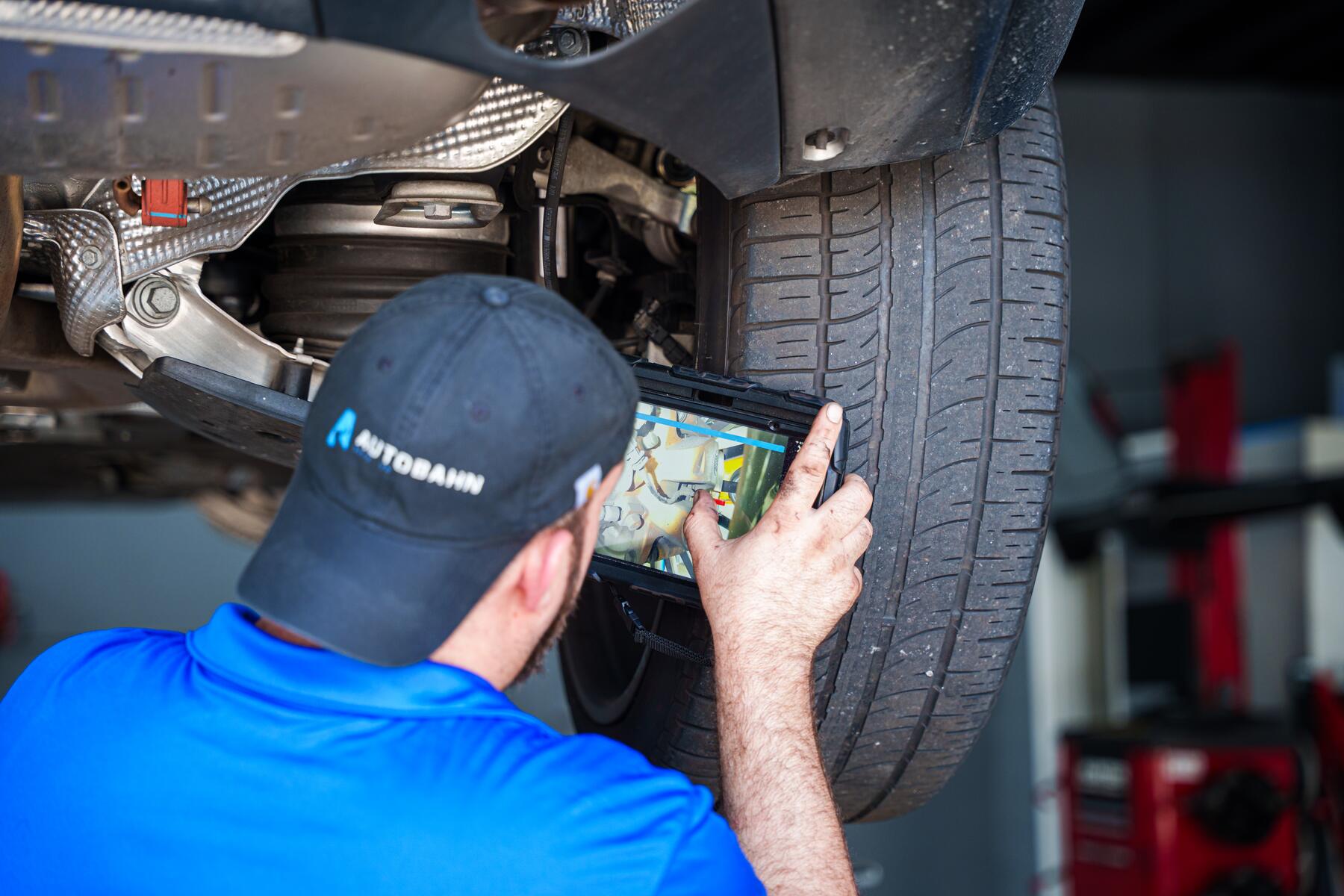
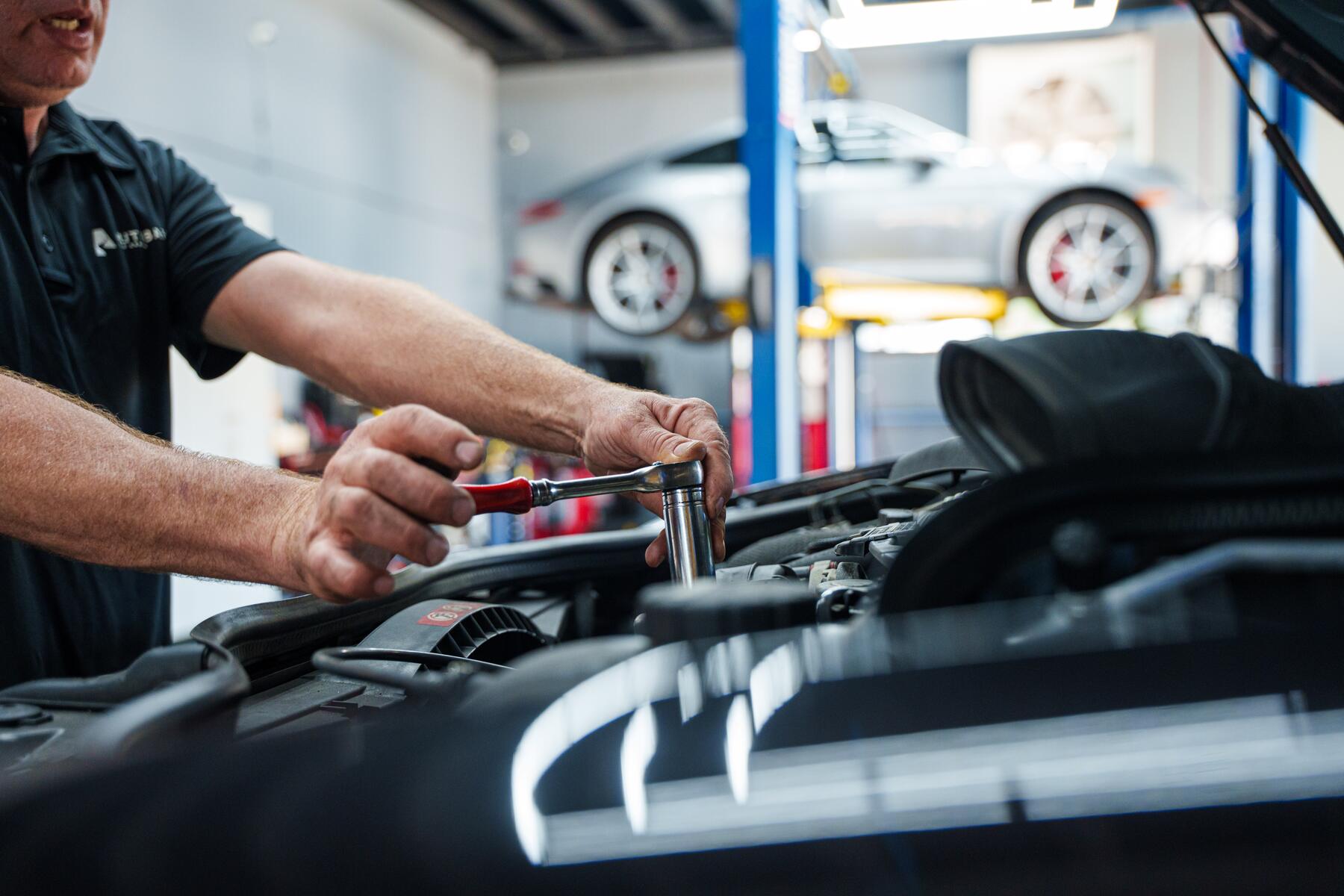
A full inspection of pads, rotors, calipers, hoses, hardware and fluid, with measurements rather than impressions. Pad and rotor replacement where they are due, caliper service or replacement where they are sticking or leaking, a brake fluid exchange, and a proper bed-in afterwards. On cars that need it, the electronic parking brake is retracted and reset with a scan tool rather than forced.
And what we will tell you honestly
Brakes are the easiest thing in this trade to oversell, because nobody argues about safety. If your pads have eight thousand miles left in them we will tell you that and photograph the measurement, and you can come back when they are actually done.
What brings brakes in
- Squealing or grinding, which is either the wear indicator doing its job or the backing plate doing damage that pads alone will not fix.
- A pulsing pedal under braking, usually rotor thickness variation rather than a warped rotor, and worth diagnosing before parts get thrown at it.
- A soft or sinking pedal, which points at fluid, a hose, or a master cylinder rather than anything you can see from outside.
- Pulling to one side, commonly a sticking caliper slide, which will destroy one pad and one rotor at twice the rate of the other side.
- Brake dust and rapid wear, often the wrong pad compound for the car fitted by somebody who matched a part number and nothing else.
- An electronic parking brake fault, which needs the actuator retracted with a scan tool and will fight anyone who tries it by hand.
What a brake job done properly looks like.
Brake work is mostly straightforward, which is exactly why the corners get cut. The parts of it that get skipped are the ones you feel six months later.
Pad compound is matched to the car, not the caliper
A pad that fits is not the same as a pad that belongs. Compound decides bite, dust, noise and how the rotor wears, and European manufacturers specify it deliberately because the brakes were tuned as part of how the car drives. Fit a generic pad to a 911 and it will stop the car. It will also feel like a different car, wear the rotor unevenly, and coat the wheels in dust.
Fluid is a service item and almost nobody does it
Brake fluid is hygroscopic, which means it pulls moisture out of the air through the hoses and reservoir over time. Wet fluid boils lower, and boiling fluid is a pedal that goes to the floor exactly when you need it not to. In a humid climate this happens faster. Two years is the interval, and it is the single most skipped item on any European car we see.
A pulsing pedal is usually not a warped rotor
Rotors rarely warp. What usually happens is uneven pad deposit building up on the rotor face, which measures as thickness variation and feels identical to a warp. The difference matters, because deposit is often fixable and comes from a bad bed-in or the wrong compound, and replacing rotors without addressing that just resets the clock on the same problem.
The bed-in is part of the job
New pads and rotors need a specific sequence of stops to transfer an even layer of friction material onto the rotor face. Skip it, drive gently for the first week, then make one hard stop and hold the pedal at a light, and you have baked a patch of deposit into the rotor. That is the pulsing pedal people come back with, blaming the parts.
What you’re paying for, line by line
The parts of this job that never appear on an invoice are the ones that decide whether it holds.
Compound matched to your model, factory-grade
Measured against spec, then resurfaced or replaced on the numbers
Exchanged on a two-year interval, because it absorbs water
Diagnosed as deposit or genuine thickness variation first
Slides serviced, so one side does not wear at twice the rate
Retracted and reset with a scan tool
Bedded in properly, which is what prevents the come-back
Six years, unlimited miles on qualifying repairs
From drop-off to drive-out
Five steps, and you know what you are getting at the end of each one.
Book it, or just drop it off
Call, text, or book online. After-hours drop-off if that suits you better, and a free local shuttle so you are not sitting here waiting on us.
We look before we quote
A free brake inspection with real measurements on pads and rotors, photographed, plus a look at hoses, fluid condition and caliper movement.
You get it in writing first
An itemized estimate with parts and labor separated, and what can wait flagged separately from what cannot. Nothing is touched until you approve it.
The work, done to specification
Factory-grade pads and rotors matched to your model, hardware replaced, calipers serviced, fluid exchanged where due, and a proper bed-in before you get the keys.
Six years, unlimited miles
Qualifying repairs carry our parts and labor warranty, it transfers if you sell the vehicle, and every visit is logged so the service history stays intact.
What it costs
Brake pricing moves with the car more than almost any other job. A front axle on a Golf and a front axle on a Cayenne with larger rotors and a bigger caliper are different parts, different weights and different labor, and a car on composite or ceramic discs is a different conversation again.
So we measure your car and quote what it actually needs, axle by axle, with parts and labor separated. Often that means telling you the rears are fine and only the fronts are due, which is a conversation you will not always get elsewhere.
Backed for 6 years / unlimited miles
Parts and labor, on every qualifying repair, and it transfers to the next owner if you sell the vehicle.
Brake Repair FAQs
Yes. We measure pads and rotors, check hoses, fluid and caliper movement, photograph it, and tell you where you stand. If everything is fine you pay nothing and we will tell you roughly when to come back.
Measurement, not guesswork. Rotors have a minimum thickness stamped on them, and once they are at or near it they have to be replaced rather than resurfaced. We measure both and show you the numbers against spec so it is a decision rather than a claim.
Usually the pad compound. European cars are often fitted with generic pads that produce far more dust than the ones specified for them. Matching the compound to the car normally cuts it substantially, and it also stops the rotor wearing unevenly.
Probably not, despite what you will be told. Rotors rarely warp. Uneven pad deposit on the rotor face is far more common, measures the same and feels the same. It is worth diagnosing properly, because the cause is often a bad bed-in or the wrong compound, and simply fitting new rotors resets the clock without fixing it.
Qualifying brake repairs carry our six-year, unlimited-mile parts and labor warranty, and it transfers if you sell the car. Wear items like pads and rotors consumed by normal use are not a defect and are not covered, but a part that fails or workmanship that was ours, we make right.