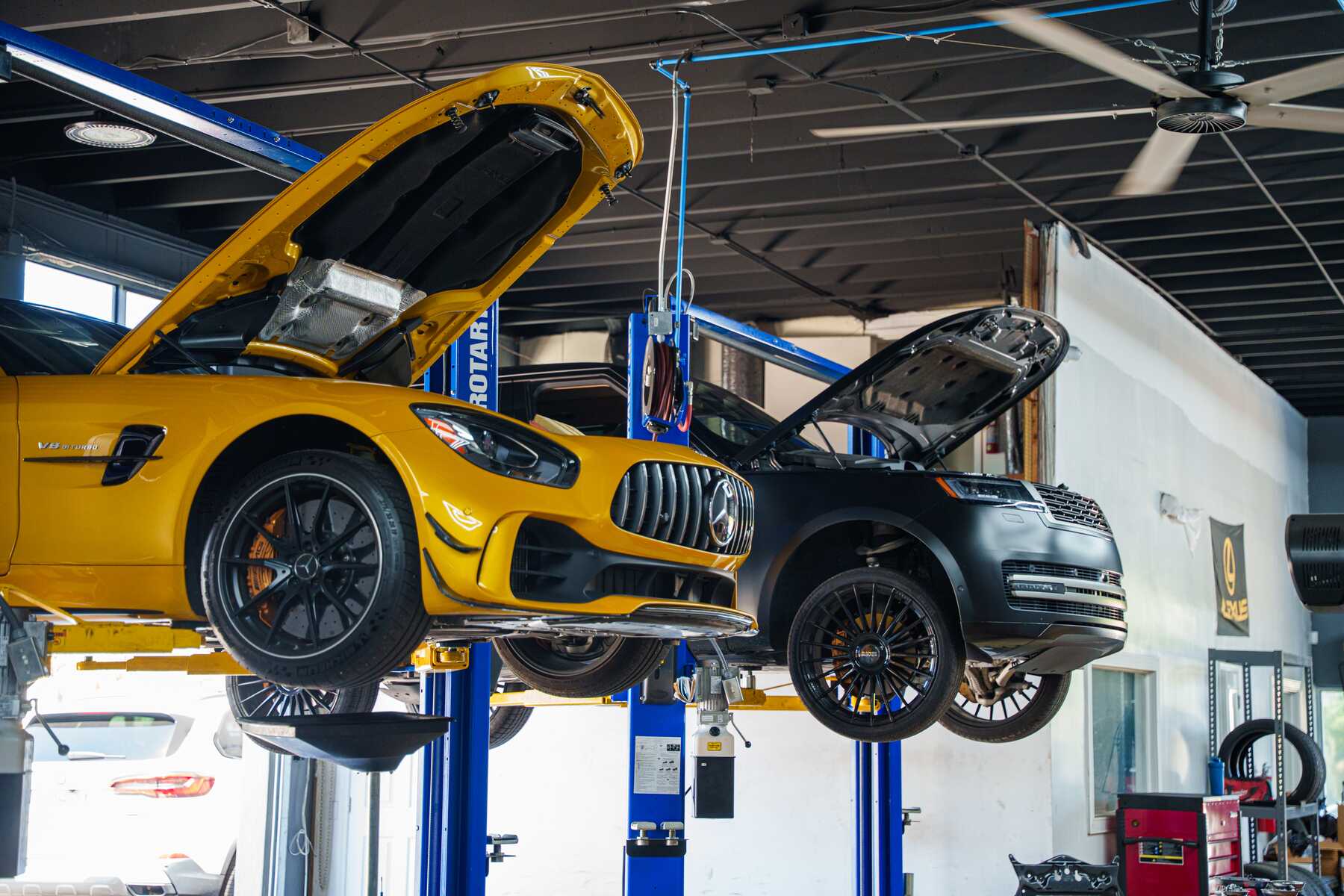
Mercedes-AMG Service in Boca Raton, FL
Hand-built engines, shorter intervals and a gearbox that is not a normal automatic. Serviced accordingly, and backed by a 6-year, unlimited-mile warranty.
Boca Raton’s go-to for AMG care
An AMG is not a Mercedes with a badge on it. Different engine, different gearbox, different cooling load, and a service schedule that asks for more, sooner.
We work on European cars exclusively, run XENTRY on the car’s own control units, and treat an AMG as its own animal rather than a C-Class with more power. That starts with knowing which of these engines fails how, and at what mileage.
Heat is the thing that ages these cars
A hot-V twin-turbo V8 puts the turbochargers inside the vee, which is brilliant for response and brutal on everything around them. Oil lines, coolant lines and seals live a harder life than the same parts on any other Mercedes, and in South Florida heat they live a harder life again. Most of what we catch early on these cars, we catch by looking at what the heat has been doing.
Getting an AMG back to how it left Affalterbach
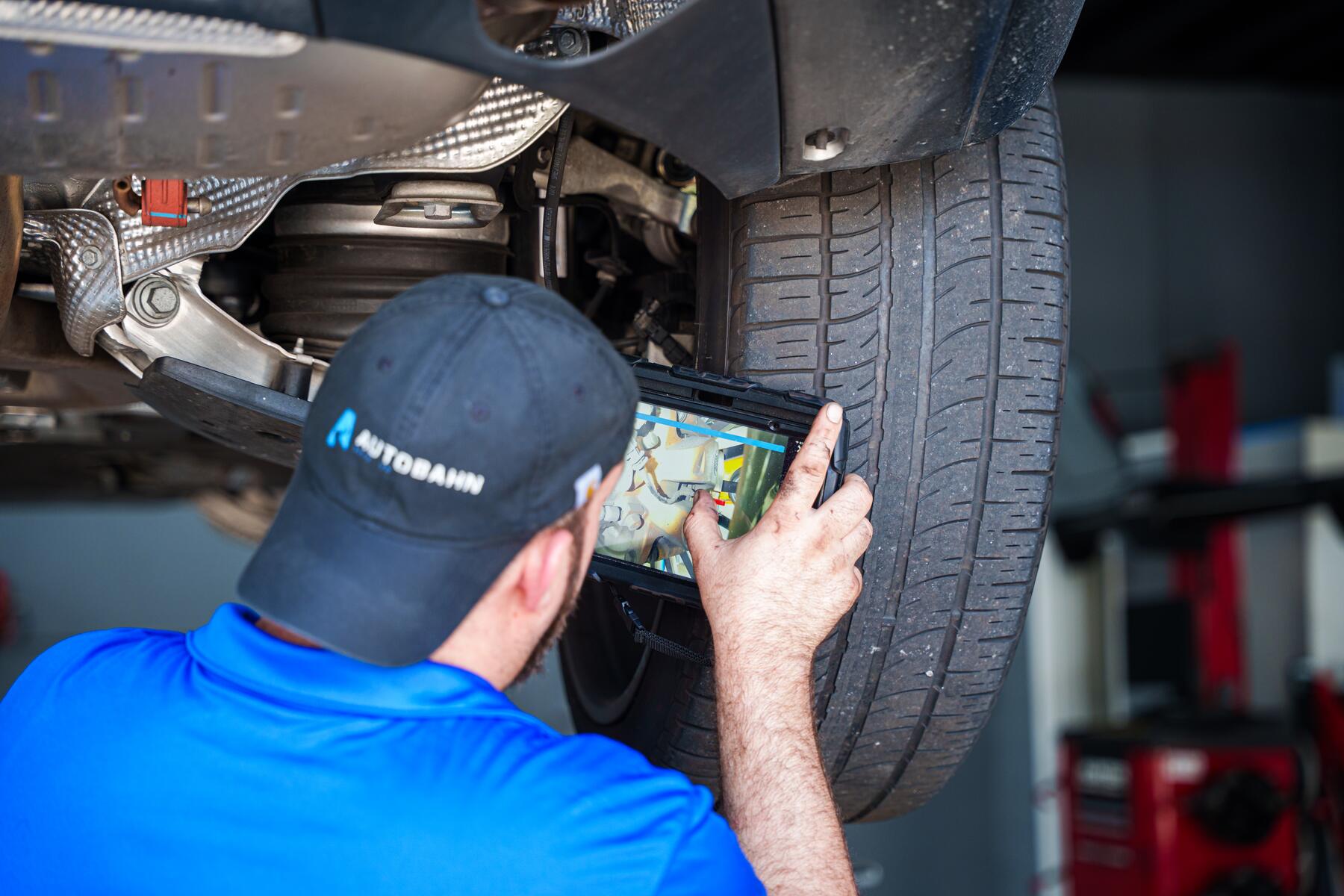
When something has gone wrong you get a full digital inspection with photographs, a written estimate that separates parts from labor, and an honest line between what needs doing now and what can wait. Nothing is touched until you approve it.
Mercedes-AMG models we service
From the 43-series sixes through to the hand-built V8s.
- C43
- C63
- C63 S
- E53
- E63 S
- S63
- S65
- CLA45
- A45
- GLA45
- GLC43
- GLC63
- GLE53
- GLE63
- GLS63
- G63
- SL55
- SL63
- AMG GT
- GT 4-Door
- SLS AMG
- & many more
Common Mercedes-AMG problems we repair
- M156 head bolts and camshaft wear on the 6.2, the two failures that define that engine and are worth checking for before they define your year.
- Heat-soaked oil and coolant lines on the hot-V M157, M177 and M178 turbos, which weep long before they let go.
- Carbon buildup on the intake valves, because direct injection never washes them and an AMG spends its life in boost.
- MCT wet start-up clutch shudder and harsh engagement, usually fluid and adaptation long before it is hardware.
- Motor and transmission mounts collapsing under torque these cars make from idle.
- Brake and tire wear that arrives faster than owners expect, including the pad and rotor rules that come with composite and ceramic discs.
What a Mercedes-AMG service actually asks for.
An AMG punishes a generic service faster than any other car in this shop. The intervals are shorter, the fluids are specific, and the gearbox does not work the way the shop down the road assumes it does.
The MCT is not a torque converter
AMG SPEEDSHIFT MCT replaces the torque converter with a wet start-up clutch, which is why the car launches the way it does and why it does not service the way an ordinary automatic does. It has its own fluid, its own procedure, and its own adaptation afterwards. Treat it as a normal seven-speed and you will get shudder off the line within a few thousand miles.
M156 head bolts are a when, not an if
The 6.2 uses bolts that corrode and stretch, and the failure shows up as coolant loss with no obvious external leak. There is also camshaft and lifter wear on the early cars. Neither is a reason to be frightened of the engine, but both are reasons to actually look, because catching either one early is a repair and missing it is an engine.
Boost lives on carbon, so we look at the valves
Direct injection means no fuel ever washes across the back of an intake valve, and an AMG spends more of its life in boost than the car it is based on. Deposits build, breathing goes off, and the car gets subtly slower in a way no code will tell you about. We check them rather than wait for a misfire, and clean them mechanically when they need it.
The interval is the same. It should not be.
This is the part owners get told wrong. AMG’s published oil interval is the same 10,000 miles or twelve months as the Mercedes the car is based on. That number was set for a mixed duty cycle in a temperate climate, and it does not describe a hand-built twin-turbo V8 in South Florida traffic. We recommend 5,000 to 7,000 miles on a car that is driven hard, and shorter again if it sees track use. That is our recommendation rather than a factory figure, and we will say so plainly. What is not negotiable is the approval sheet: these engines specify MB 229.5 or 229.51, and an oil meeting neither is not a substitute no matter how often you change it.
What you’re paying for, line by line
The parts of a Mercedes-AMG service that never appear on an invoice are the ones that decide how the car drives in two years.
The MB approval sheet the engine specifies, on a shortened interval
XENTRY, on the car’s own control units
MCT wet clutch procedure, correct fluid, adaptation reset after
Inspected for carbon, cleaned mechanically when they need it
Inspected for heat damage before it becomes a leak
Compound matched to the disc, composite and ceramic included
Itemized in writing, parts and labor separated, approved line by line
Six years, unlimited miles, and it transfers if you sell the car
From drop-off to drive-out
Five steps, and you know what you are getting at the end of each one.
Book it, or just drop it off
Call, text, or book online. After-hours drop-off if that suits you better, and a free local shuttle so you are not sitting here waiting on us.
We read the car, not the symptom
XENTRY on the car’s own control units, plus a full digital inspection that includes the heat-loaded plumbing these engines are hard on. You get photographs of anything we find.
You get it in writing first
An itemized estimate with parts and labor separated, and what can wait flagged separately from what cannot. Nothing is touched until you approve it.
The work, to Mercedes-AMG’s procedure
AMG-approval fluids, OE or OE-equivalent parts, factory torque sequences, and the MCT adaptation and codings that actually finish the job.
Six years, unlimited miles
Qualifying repairs carry our parts and labor warranty, it transfers if you sell the car, and every visit is logged so the service history stays intact.
What it costs
AMG pricing sits above the Mercedes it shares a body with, and honestly it should. The parts are specific, the fluids are specific, and the labor on a hot-V V8 is not the labor on the naturally aspirated V6 in the same chassis. Publishing one number would mean publishing a number that is wrong for most cars.
So we quote the car in front of us: a full digital inspection with photographs of anything we find, then an itemized estimate with parts and labor separated, before anything is touched. Against a dealer quote for the same approved parts, most owners are surprised in the right direction.
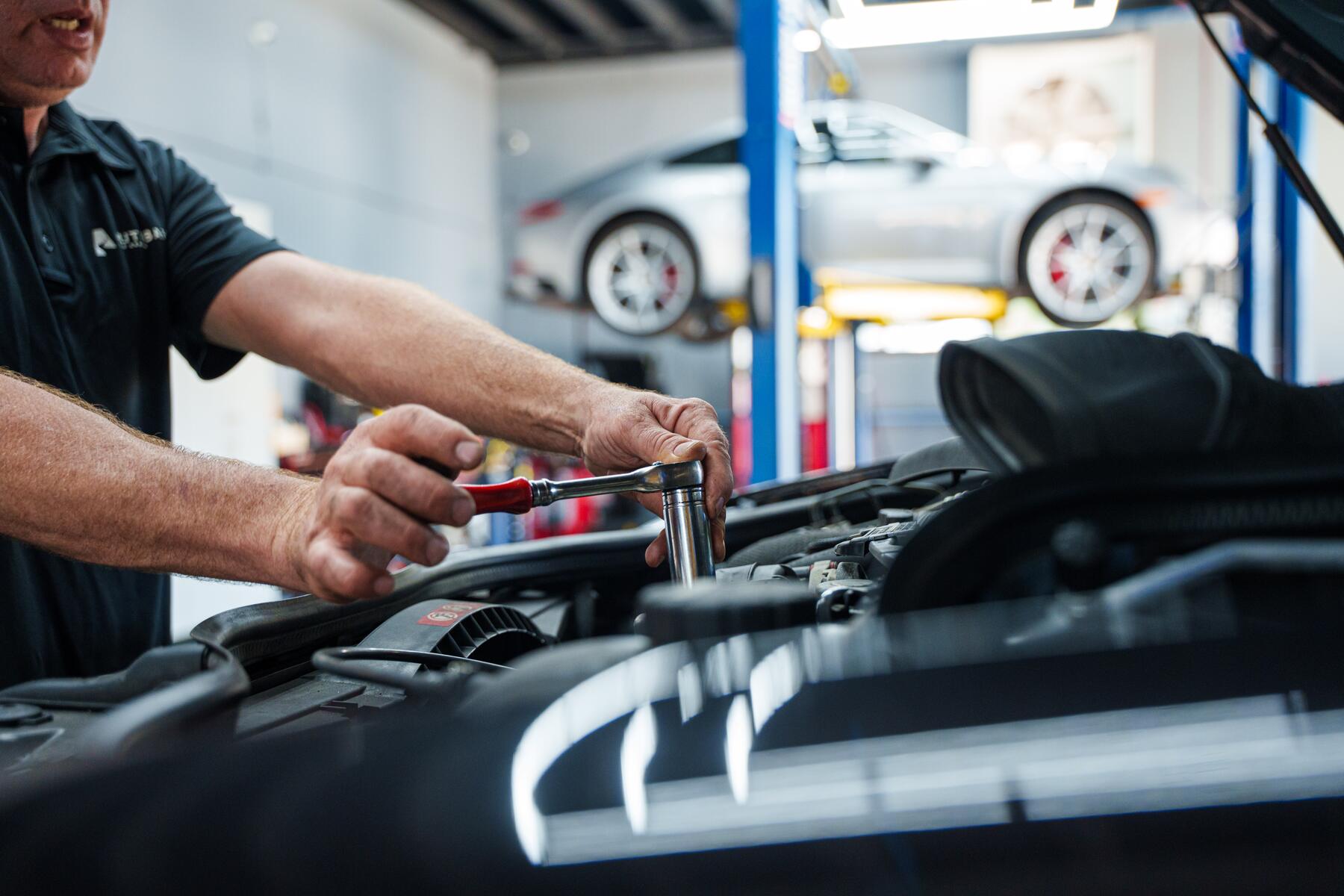
Every Mercedes-AMG repair backed for 6 years / unlimited miles
Parts and labor, on every qualifying repair, and it transfers to the next owner if you sell the car.
Mercedes-AMG repair FAQs
No. Federal law protects your right to have your car serviced anywhere, provided the work is done correctly and to specification. We use AMG-approval fluids and OE or OE-equivalent parts and document every visit, so your factory coverage stays intact and you have the records to prove it.
AMG’s own interval is 10,000 miles or twelve months, the same as the equivalent Mercedes. We think that is too long for a hard-driven turbocharged car in this climate, so we recommend 5,000 to 7,000 miles, and shorter if the car sees track use. To be clear, that is our recommendation rather than a factory requirement. Whichever you choose, the oil has to meet the MB approval sheet your engine specifies.
Yes. The MCT uses a wet start-up clutch rather than a torque converter, so it takes its own fluid and its own procedure, and it needs an adaptation reset afterwards. It is a job a lot of shops either decline or do as if it were an ordinary automatic.
Yes, and we know what to look for. Head bolts and camshaft wear are the two things that define that engine, and both are far cheaper found early than found late. If you are buying one, we will inspect it before you do.
Meaningfully less, on the same approved fluids and the same factory diagnostics, because you are not paying for a dealership’s overhead. You get a written estimate with parts and labor separated before any work starts, so you can compare it against a dealer quote line by line.